One man's record collection, standing as a room
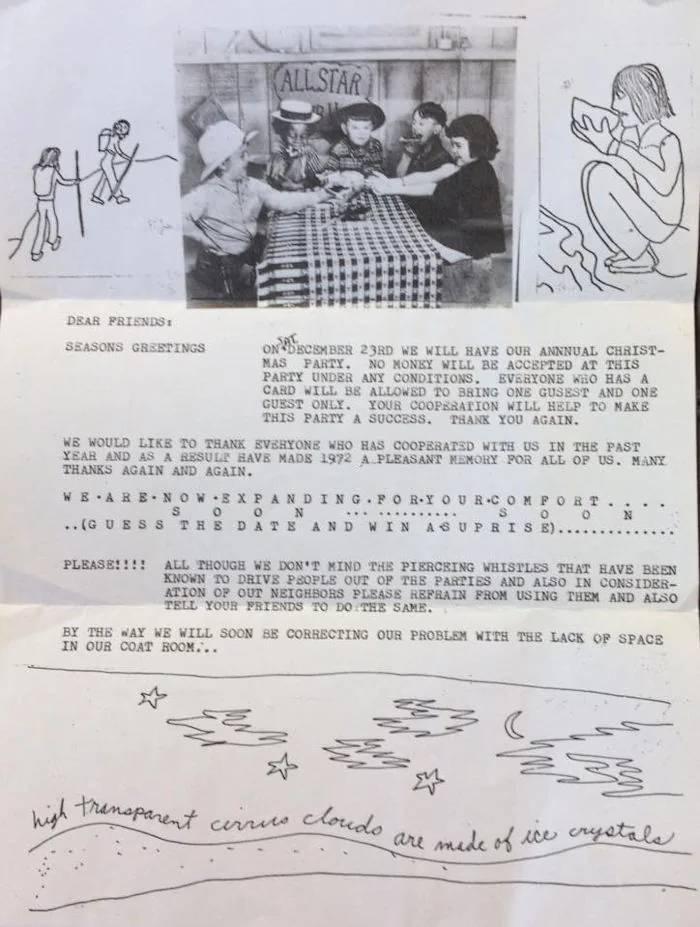
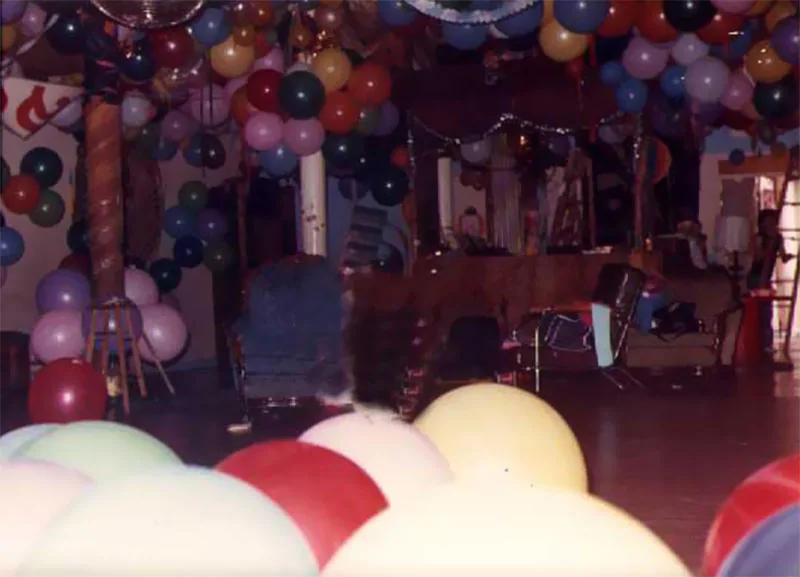
The Loft Library is the last personal record collection of David Mancuso — the 855 records that were still in his home when he died in 2016 — rebuilt by Danny Fortunato as a room you can walk through, take a record down from, and listen to, side by side, the way he played them.
This is not a shop and not a playlist. It is an archive with a turntable in it. Every sleeve on the shelves is a real record from the collection, identified and scanned; every one that has been transferred can be put on the deck and heard whole. The shelves are arranged by decade, from the sixties down to the two thousands, and you descend through them by scrolling.
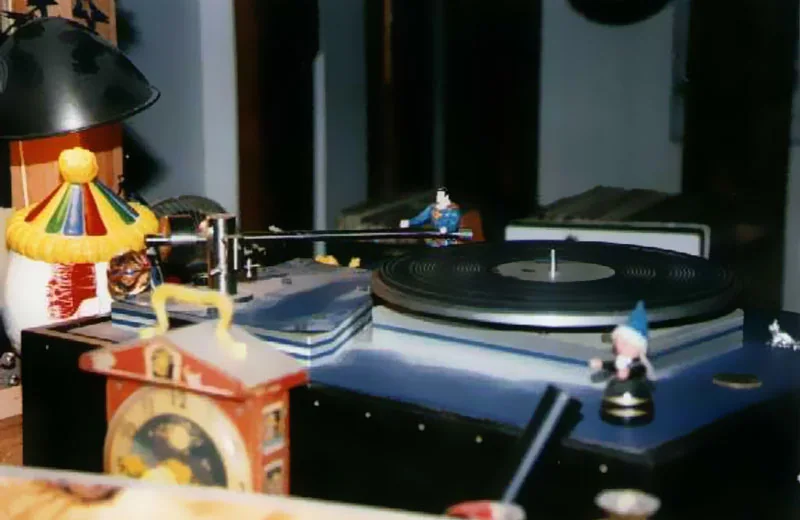
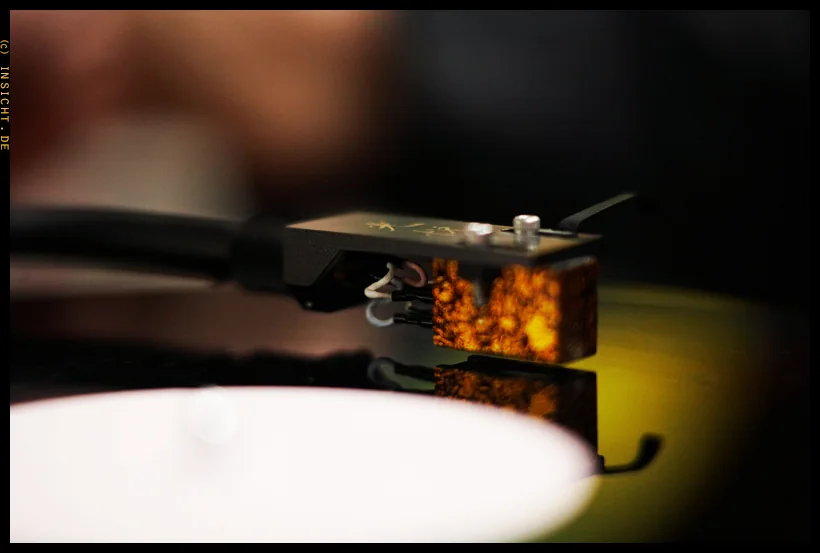
Three things to know before you go in. Scroll to descend the decades. Click or tap a record to bring it to the deck. And the tonearm is real: hold it, drag it across the record and drop it on another groove.
David Mancuso
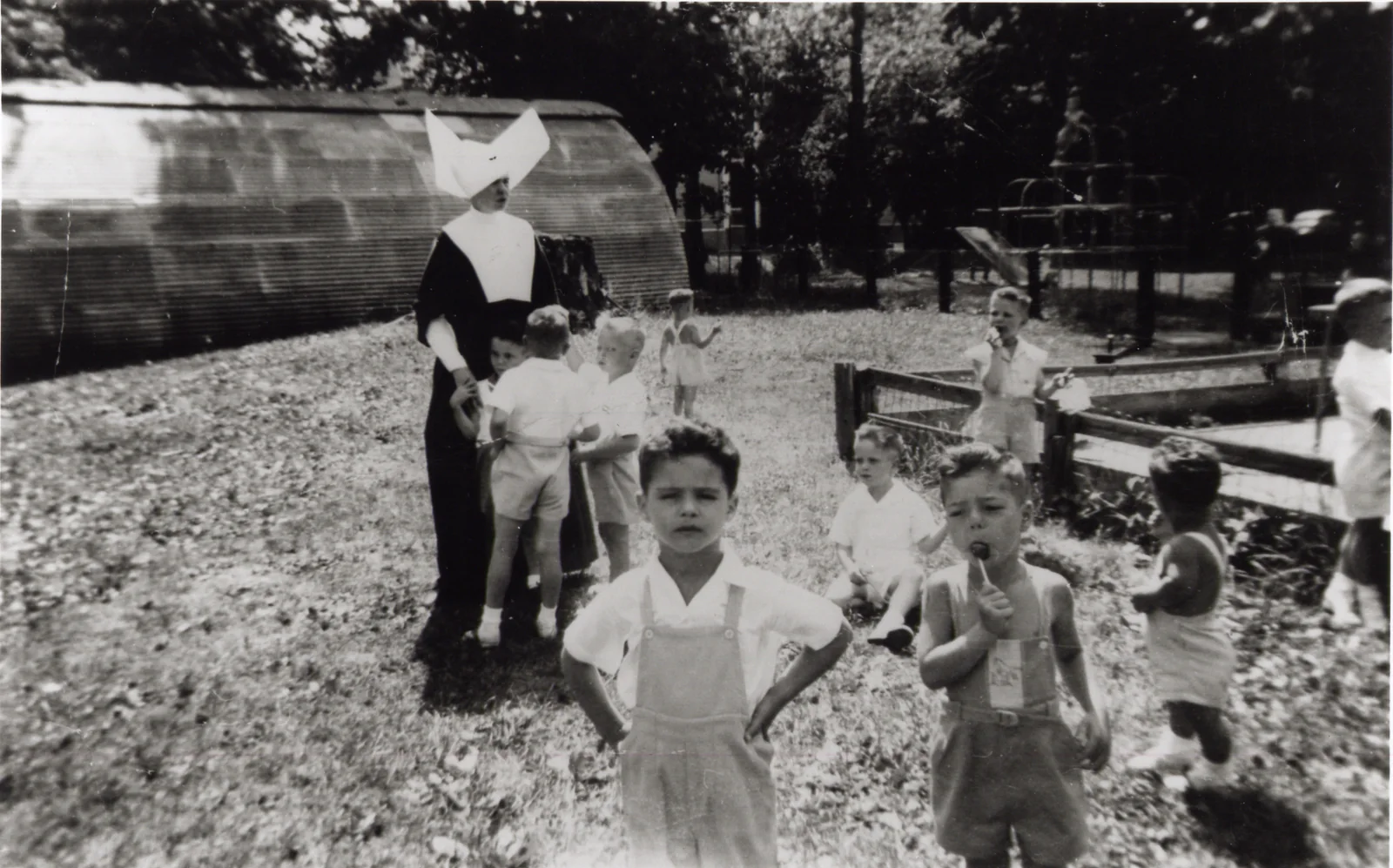
He grew up in an orphanage in Utica, New York, where a nun named Sister Alicia hung balloons in the rooms and played records for the children. He spent the rest of his life rebuilding that room.
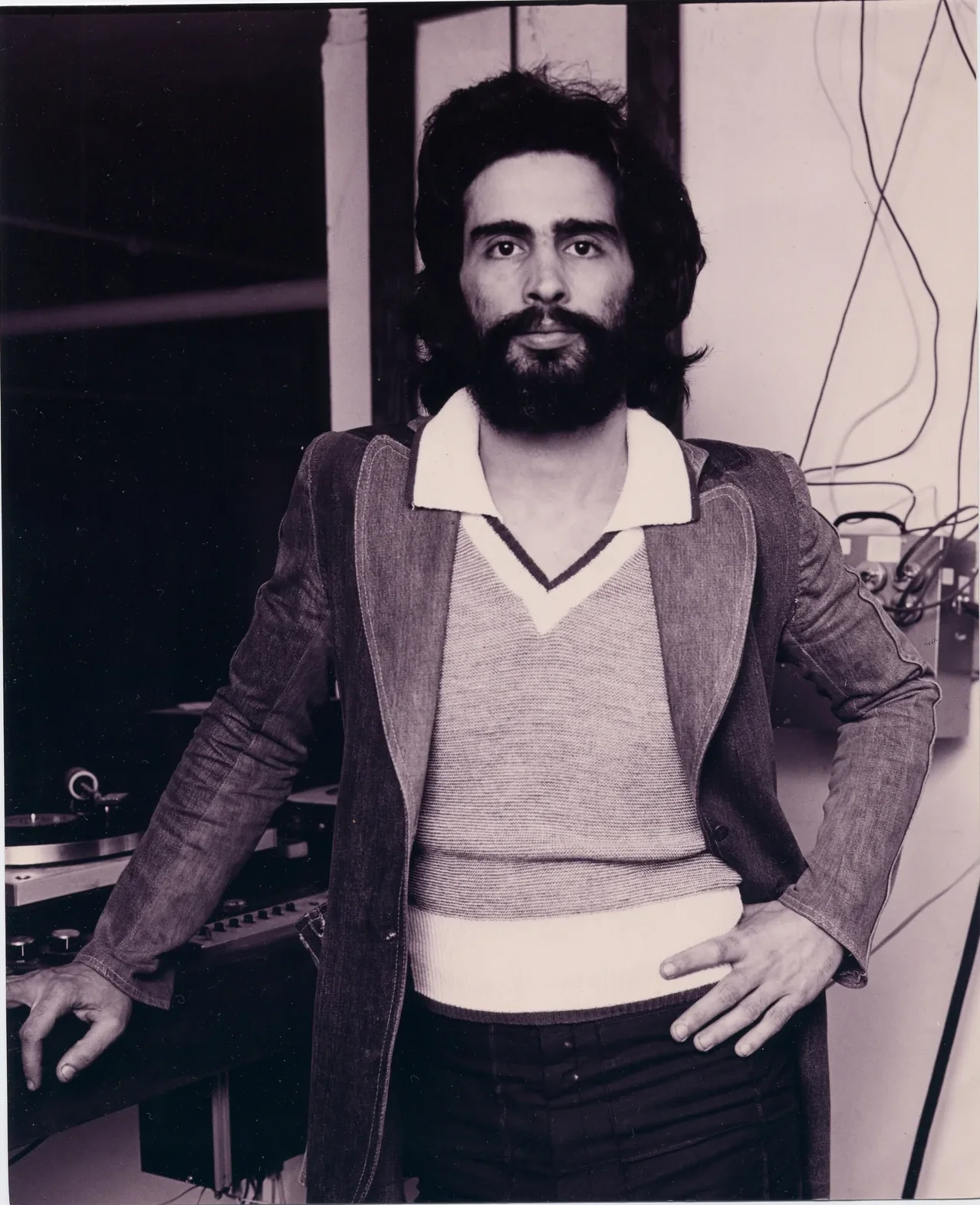
Born on 20 October 1944, he came to New York City in the early sixties and, by the end of the decade, was living in a loft at 647 Broadway and giving rent parties for his friends. On Valentine's Day 1970 he sent out invitations to one of them and called it Love Saves the Day. That party never really ended.
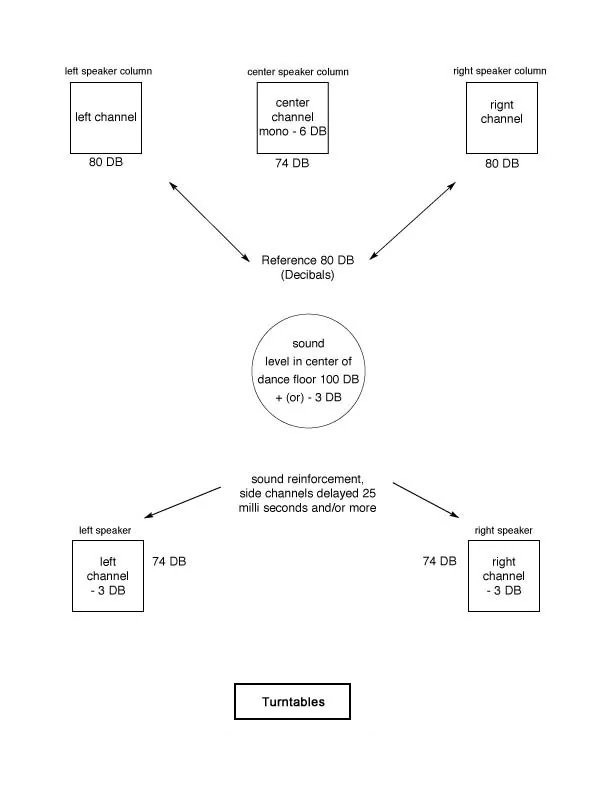
He was an audiophile first. Klipschorn speakers, Koetsu cartridges, the shortest signal path he could build; in later years he took the mixer out of the chain altogether and played straight from the turntables into the amplifiers. He did not beat-mix and rarely touched an EQ: he played records whole, in the order he had chosen, at the level they were mastered for. Sound quality, to him, was a form of hospitality — the same impulse as the food on the table.
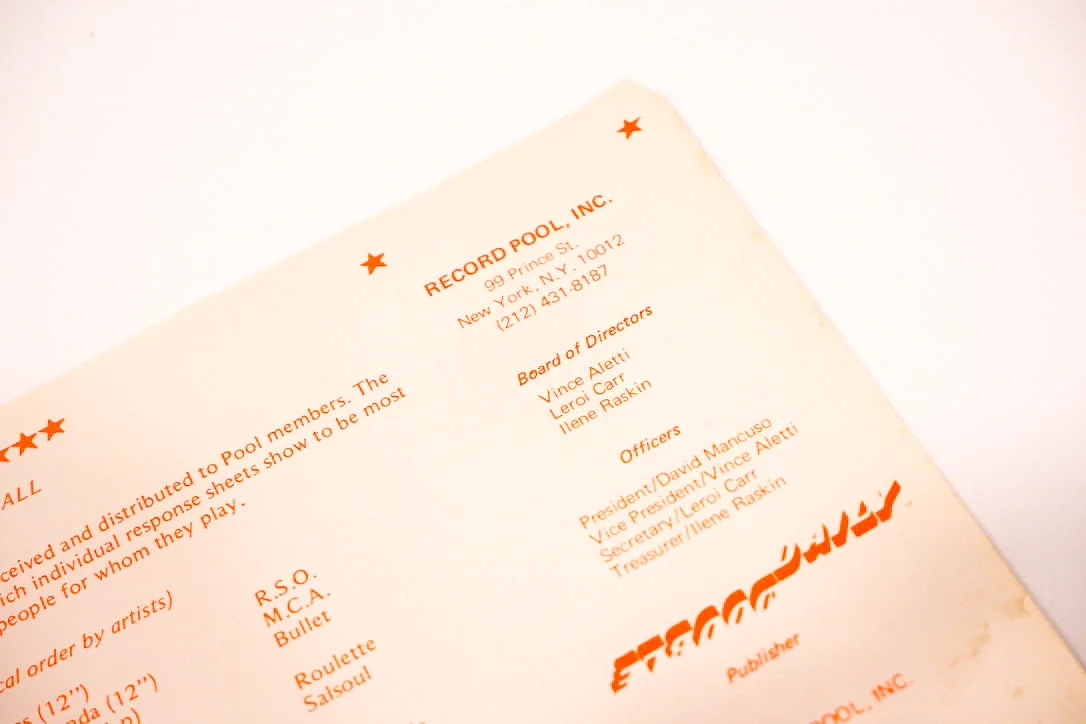
In 1975 he co-founded the New York Record Pool, the first of its kind, so that DJs could get records from the labels directly, and he is remembered for breaking records nobody else had found — Manu Dibango's Soul Makossa, famously, out of a West Indian shop in Brooklyn. He died in New York on 14 November 2016, still playing.
The Loft
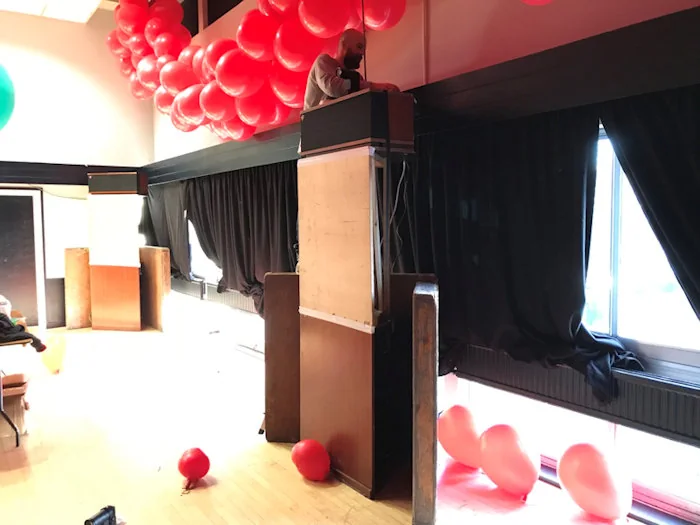
It was not a club. There was no bar, no door policy, no VIP, no alcohol for sale — just balloons, a table of food and juice, an invitation you had to be given, and a sound system he had tuned obsessively. The party was private, in his own home, and the guests were the point.
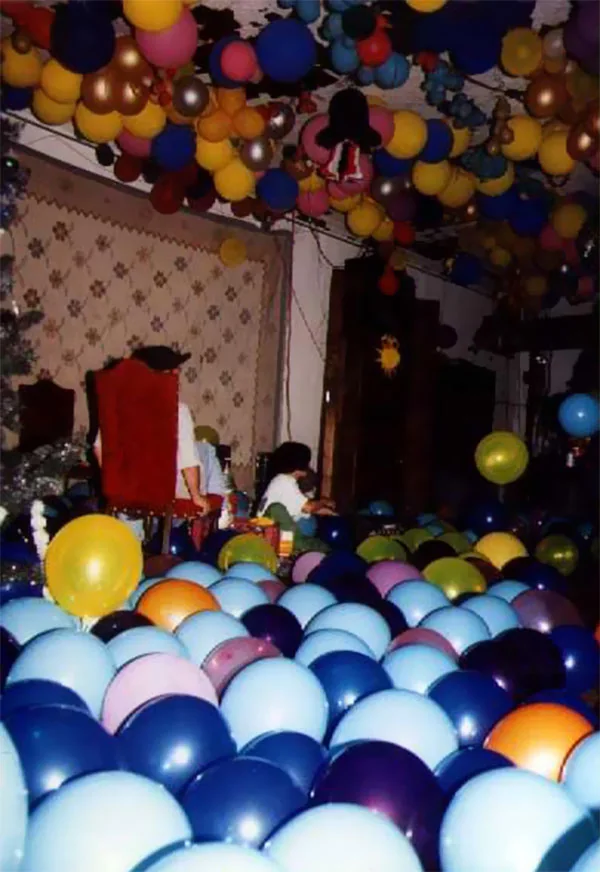
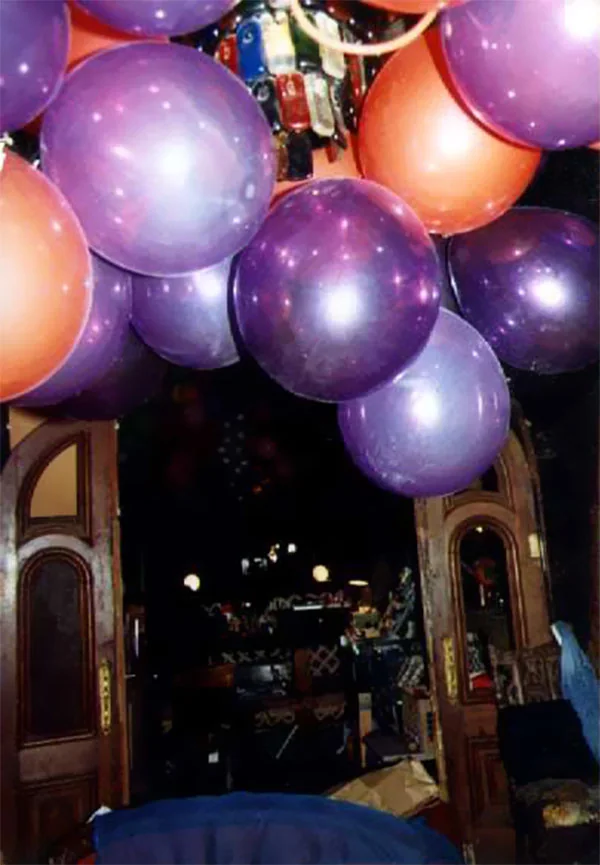
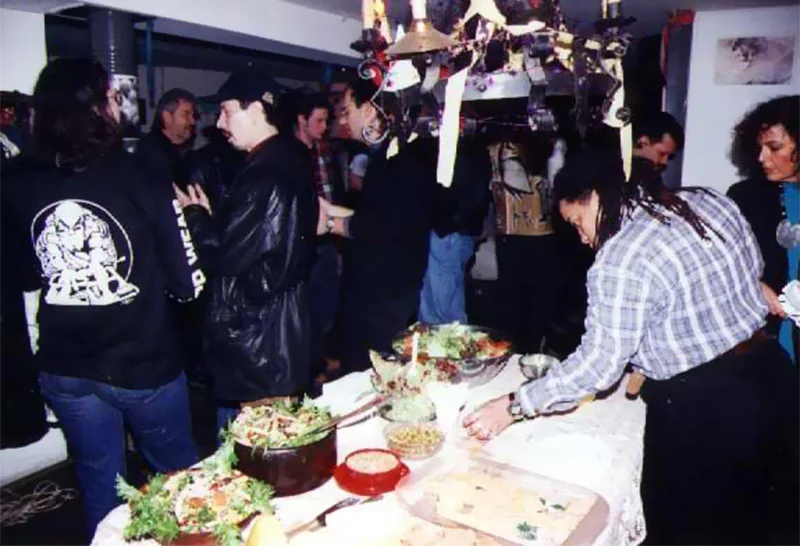
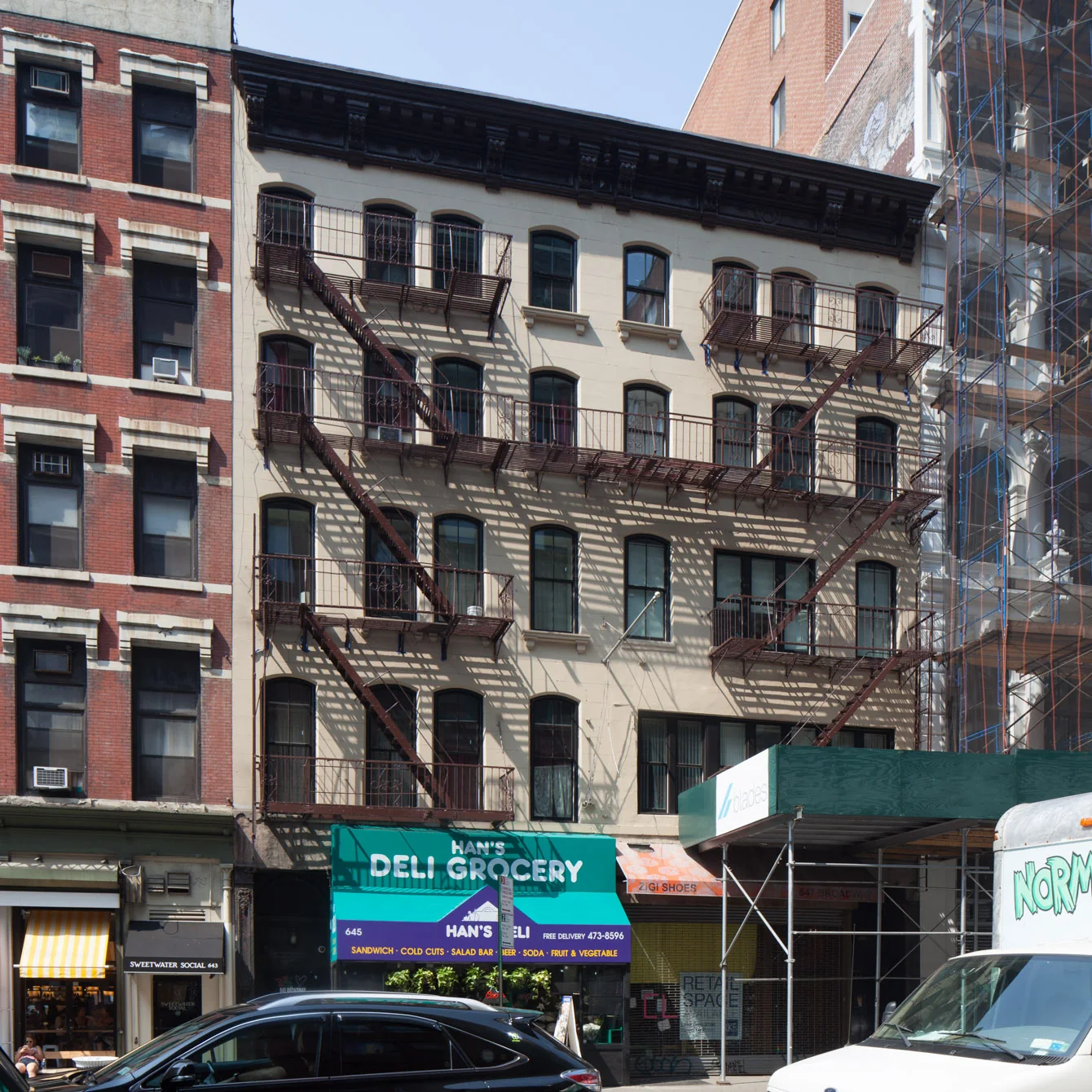
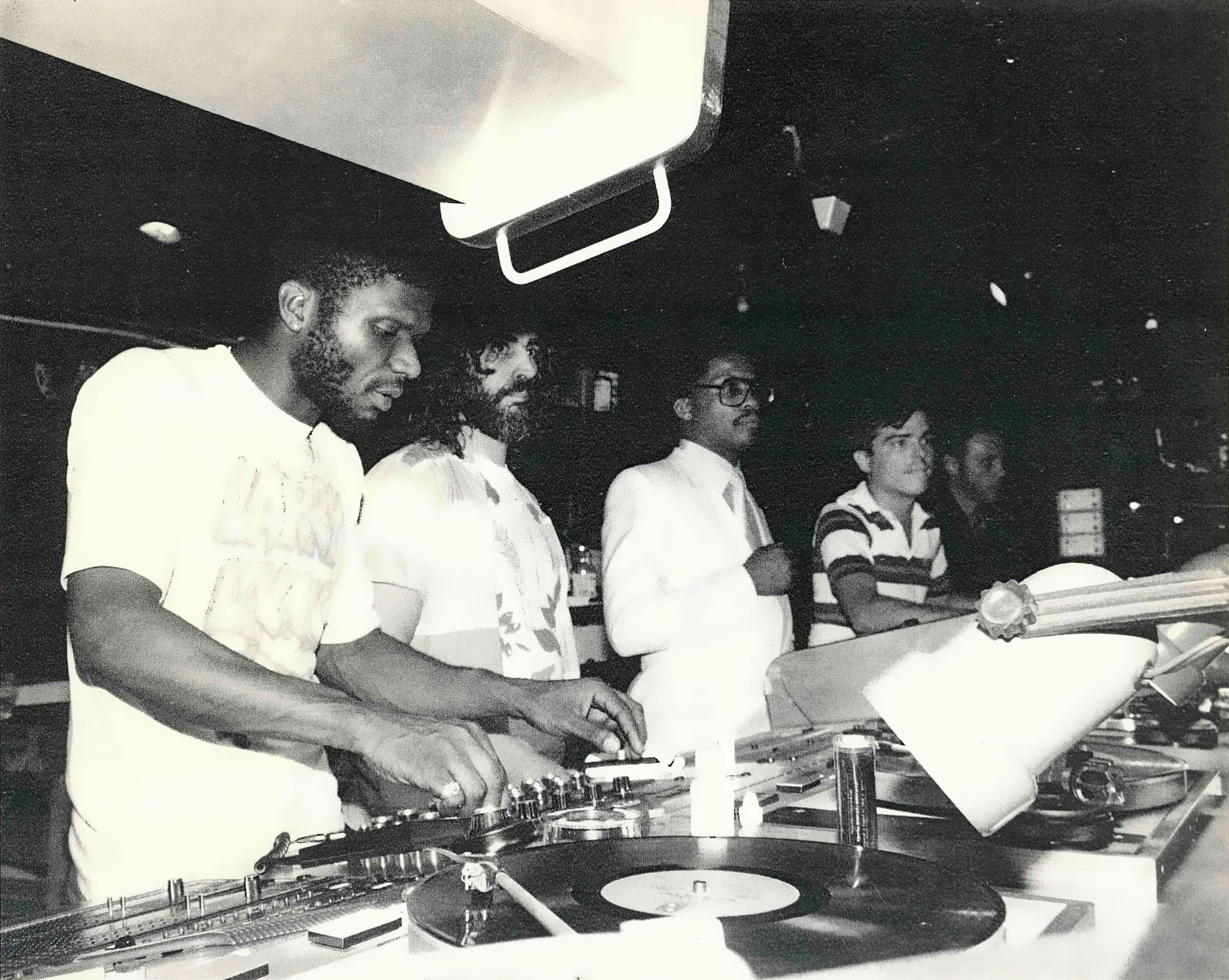
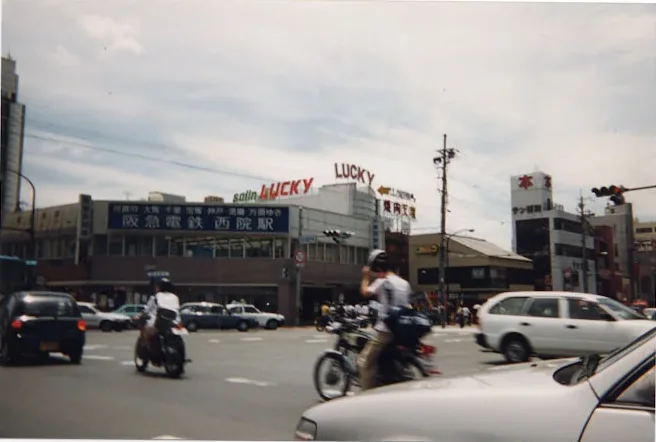
The room moved when the leases did: from 647 Broadway to 99 Prince Street in SoHo in 1975, to Third Street in Alphabet City in the mid-eighties, and on into other rooms after that. The Loft outlasted the clubs it inspired. Larry Levan, Frankie Knuckles and Nicky Siano passed through his rooms before they built their own, and the Paradise Garage, the Warehouse and the Gallery carried its idea of a party out into the world. He kept throwing the same party, in one loft or another, for forty-six years.
The records that stayed
What you are moving through is what was left at the end.
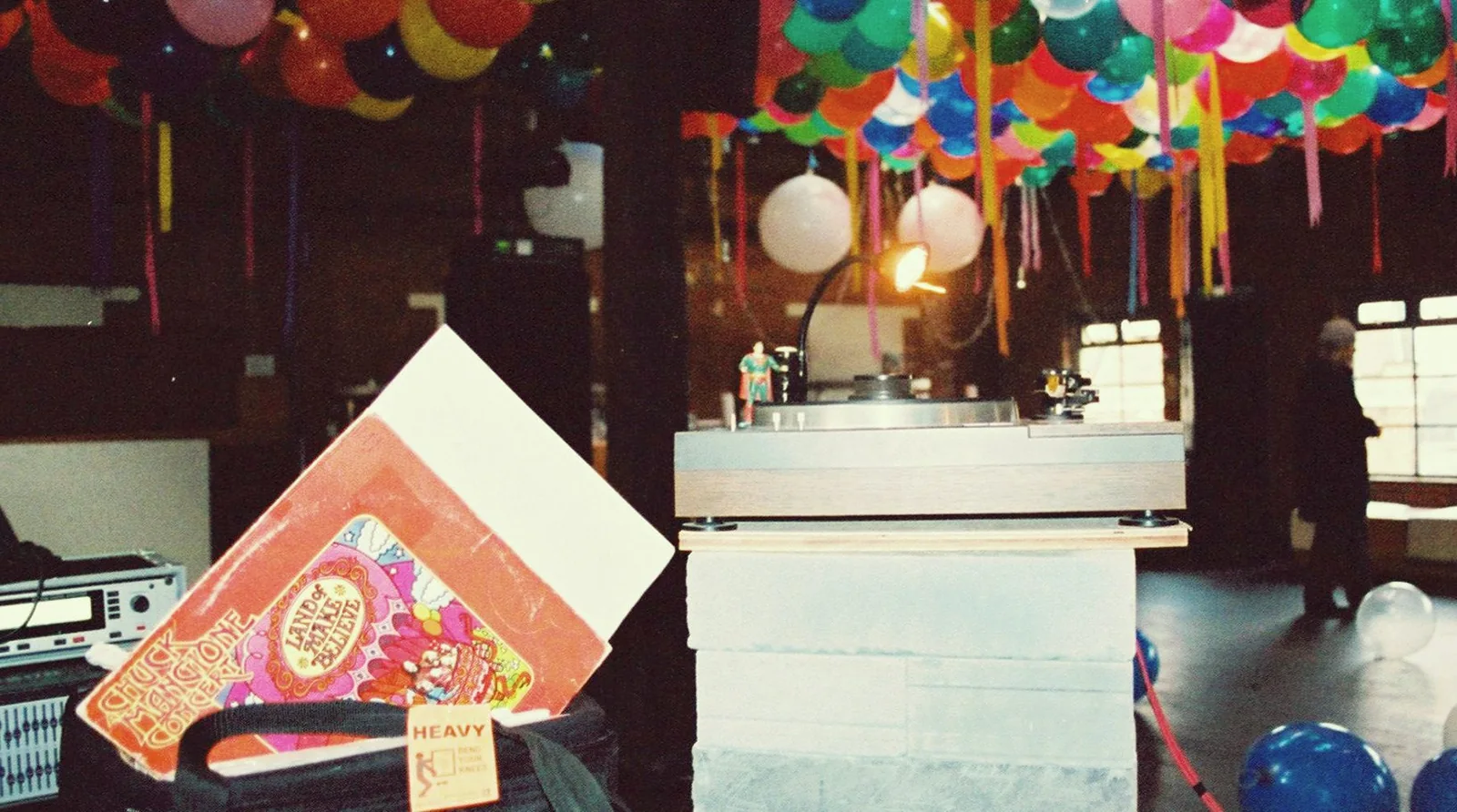
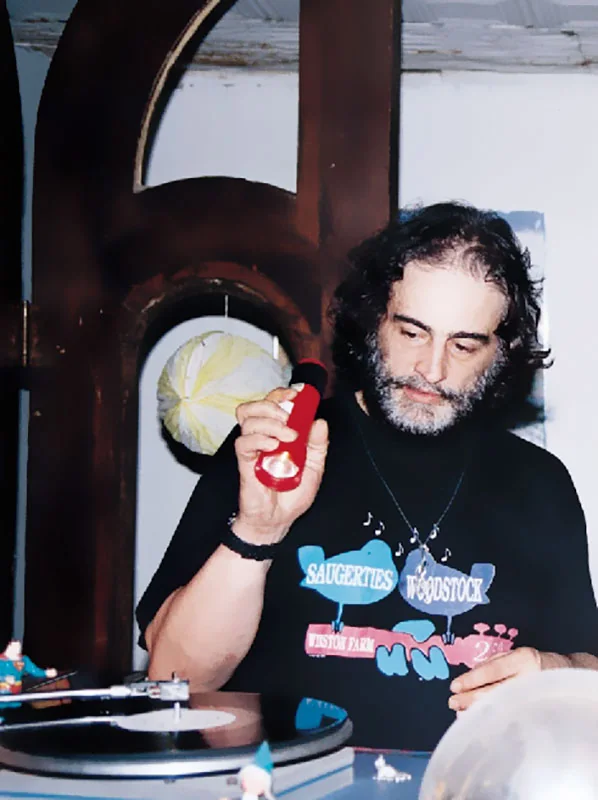
Over the decades the collection thinned. What remained were the sides he kept reaching for — the ones he chose to finish with, the ones he could not bring himself to let go of. He was still playing them when he died.
The catalogue was gathered by Michael Anthony Mertens in 2009, record by record: 855 of them, from 611 artists on 329 labels, most of them from the seventies and eighties, with a short shelf of older sides and a handful whose year nobody has established. Each one has since been matched to its release on Discogs and its sleeve scanned; the sides are transferred wherever a transfer exists, and the records still waiting for one carry a COMING SOON sticker on the shelf.
Nothing here is for sale. Every record links out to its Discogs page, where the pressings, the credits and the market are — and all 855 are written out, shelf by shelf, in the catalogue.
How to listen
- THE ROOM
- Scroll to descend from the hero shelf through the decades — the sixties and before, then the seventies, eighties, nineties, two thousands, and the undated. The pills at the top left jump straight to a shelf; TIMELINE begins the descent.
- THE SHELVES
- Each shelf is a ring that turns. Move the pointer toward an edge to drift it, use the arrows on either side to spin it, or swipe on a phone. Hover a sleeve to read what it is.
- THE DECK
- Click or tap a record and it comes down to the turntable. The stylus drops on side A and the record plays whole; the panel shows the tracklist, and any cut in it can be chosen directly. When a side ends, the record turns itself over.
- THE TONEARM
- It moves. Hold the arm, drag it across the record and drop it on another groove to seek — the one gesture the room does not explain twice.
- ALL NIGHT
- Left on, the night runs itself: when a record ends, the next one comes off the shelf. Turn it off to hear one record and stop.
- SEARCH
- The magnifying glass opens a search by artist or title, with a chip for each decade. Enter takes the first match and flies the room to it.
- SHARE A CUT
- While a record is up, the gift box at the top right copies a link to the exact cut under the stylus. Whoever opens it gets the record unwrapped for them, ready to play.
- SOUND
- SOUND ON / OFF at the top right mutes the room. On a phone the music keeps playing with the screen locked.
Keyboard
| ← → | Walk along the nearest shelf; with a record up, the previous or next record |
| Enter | Put the highlighted record on the deck |
| Esc | Close what is open — this page, the search, or the record |
| Back | The browser's back button does the same: it closes before it leaves |
Credits, sources & contact
- THE RECORDS
- Gathered by Michael Anthony Mertens in 2009
- THE COLLECTION
- Preserved with love by The Loft community
- RELEASE DATA
- Discogs, for every pressing that could be identified
- THE STORY
- Tim Lawrence, Love Saves the Day: A History of American Dance Music Culture, 1970–1979 (Duke University Press, 2003)
- THE PHOTOGRAPHS
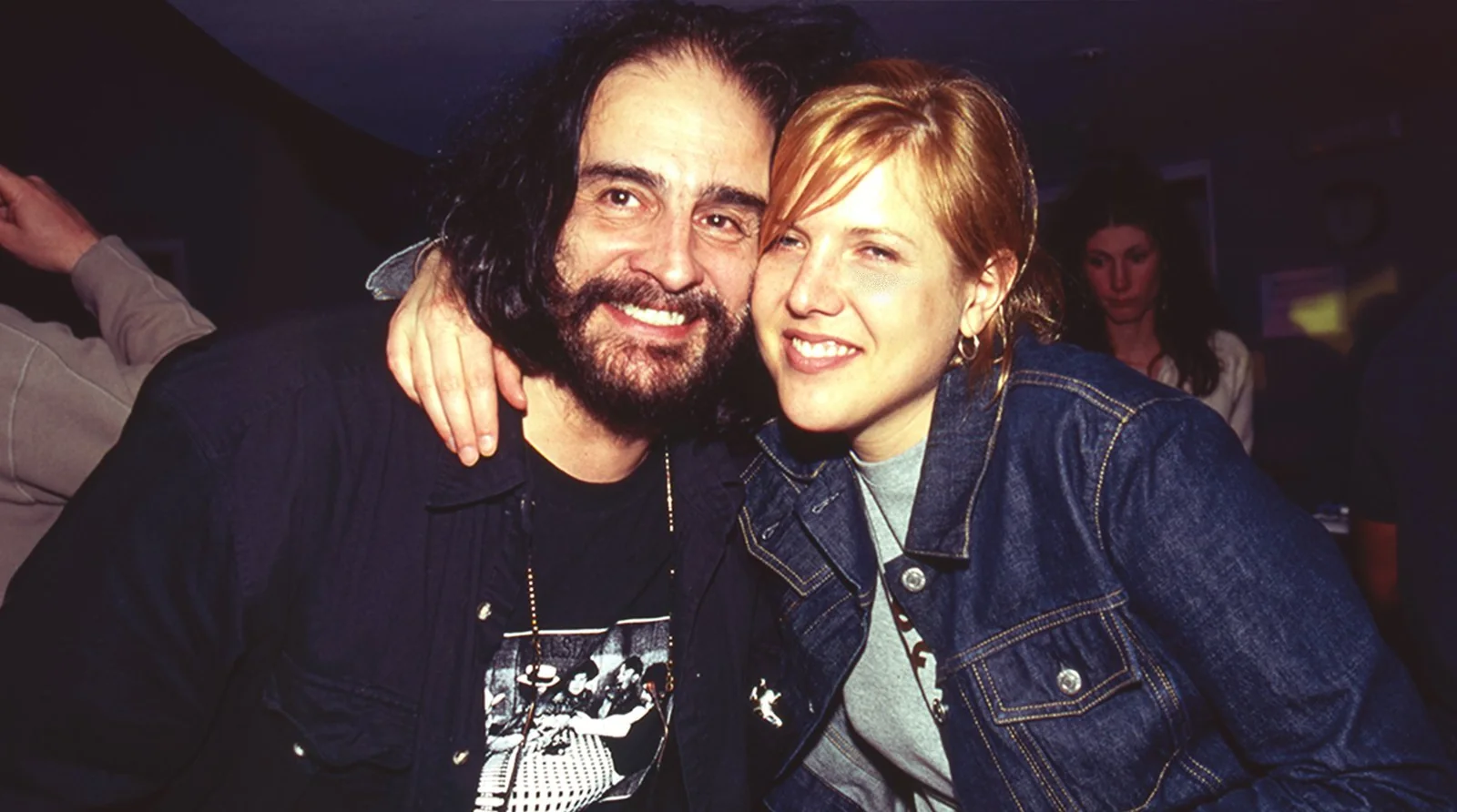
- Sandy Moon and The Loft Party Gallery, Peter Hujar (courtesy Matthew Marks Gallery), Tomas Borbás, Gail Bruesewitz, Lucky Cloud Sound System, The London Loft, the NYC LGBT Historic Sites Project, Wax Poetics, and David Mancuso himself, via Tim Lawrence. Each print carries its credit on the back.
The transfers are here so the records can be heard as he played them, whole. If you hold rights to one of them, or to one of the photographs, and want it taken down or credited differently — or if you have a record, a scan, a photograph or a story that belongs on these shelves — write to contact@daniel-fortunato.com.
This site counts its visits without knowing who makes them: which records are opened and played, for how long, and whether a shared cut gets opened — to learn what the room is used for, and to show it to the people who help it grow. No name, no email and no IP address is kept, no cookie is set, and the anonymous number this browser is given is forgotten after thirteen months. The counts are held by PostHog, in the European Union.
DON'T COUNT MY VISITS